


Latest & Greatest

browse recipes

- 1 medium butternut squash, peeled and diced - 2 cups Brussels sprouts, halved - 1 red onion, cut into wedges - 2 medium carrots, sliced - 1 cup cauliflower florets These vegetables bring bright colors and rich flavors to your bowl. Butternut squash adds sweetness, while Brussels sprouts give a nice crunch. Red onion adds depth, and carrots and cauliflower round out the mix. - 3 tablespoons olive oil - 1 teaspoon dried thyme - 1 teaspoon paprika - Salt and pepper to taste The olive oil helps the veggies roast to perfection. Thyme and paprika add warmth and earthiness. Salt and pepper enhance the natural flavors, making each bite delicious. - ½ cup feta cheese, crumbled - ¼ cup pumpkin seeds, toasted - Fresh parsley, chopped for garnish Feta cheese adds creaminess, while pumpkin seeds give a nice crunch. Fresh parsley brightens the dish with its color and flavor. You can mix and match these toppings to suit your taste. 1. First, preheat your oven to 425°F (220°C). This step is key for crisp veggies. 2. In a large mixing bowl, combine: - 1 medium butternut squash, peeled and diced - 2 cups Brussels sprouts, halved - 1 red onion, cut into wedges - 2 medium carrots, sliced - 1 cup cauliflower florets 3. Drizzle 3 tablespoons of olive oil over the veggies. Add 1 teaspoon of dried thyme, 1 teaspoon of paprika, and salt and pepper to taste. 4. Toss everything together until each piece is coated. This makes the flavors pop. 1. Spread the seasoned veggies on a large baking sheet. Make sure they are in a single layer. 2. Roast the veggies in your preheated oven for about 25-30 minutes. Stir the veggies halfway through. This helps them cook evenly. Look for a tender and golden brown finish. 1. While the veggies roast, cook 1 cup of quinoa or farro. Follow the package instructions for best results. 2. Once the grains are ready, they will add a nice base for your veggie bowl. To ensure even cooking, spread your veggies in a single layer. If they touch, they steam instead of roast. This can lead to soggy veggies. Stir them halfway through cooking. This helps them brown all over. Use a large baking sheet for more space. For added flavor, consider using spices like garlic powder or cumin. These spices can elevate your dish. You can also mix in a splash of balsamic vinegar for a tangy kick. When serving, try a drizzle of tahini or a squeeze of lemon juice. These dressings can brighten the taste. Make your bowls look great with artistic plating. Use colorful bowls to add visual appeal. Place grains at the bottom, then artfully arrange the veggies on top. Finish with a sprinkle of feta and pumpkin seeds for crunch. This added texture makes your meal even more enjoyable. {{image_2}} You can switch up the veggies in this dish. Seasonal substitutes add fresh flavor. Consider using sweet potatoes or parsnips. Both provide a sweet taste and creamy texture. You can also try beets or turnips for a colorful twist. Root vegetables work well too. They roast nicely and add depth. Carrots are great, but you can also use rutabaga or celery root. They bring a unique flavor and heartiness to your meal. Adding protein makes the meal heartier. Chickpeas or beans are great choices. They add fiber and help keep you full. Simply toss them in with the veggies before roasting. If you want more protein, try adding cooked chicken or tofu. Both options blend well with roasted veggies. They also soak up the great flavors from the spices. For vegan options, skip the feta cheese. Instead, add extra pumpkin seeds for crunch. They provide healthy fats and nutrients. If you need gluten-free adjustments, use quinoa or rice. Both grains work well with the roasted veggies. They make a satisfying base for your bowl. To store your leftover veggie bowls, use an airtight container. This helps keep the flavors fresh. Place the bowls in the fridge within two hours of cooking. They stay fresh for up to three days. After that, the veggies may lose their taste and texture. You can reheat your bowls in the microwave or oven. For the microwave, place the bowl inside and heat for about one to two minutes. Stir halfway through for even heating. If you prefer the oven, set it to 350°F (175°C). Place the bowl on a baking sheet and heat for about 10 minutes. This keeps the veggies crisp and tasty. If you want to store your veggie bowls for longer, freezing is a great option. Make sure the bowls are fully cool before freezing. Use freezer-safe containers or bags. They can last up to three months in the freezer. To thaw, place them in the fridge overnight. You can also microwave them directly from the freezer, but this may change the texture slightly. Yes, you can make this recipe in advance. Roast the veggies and grains early in the day. Store them in separate containers in the fridge. When it’s time to eat, reheat them in the oven or microwave. This keeps the veggies crisp and tasty. You can use many other grains. Brown rice or barley works well too. Bulgur and couscous are great options too. Each grain adds a different flavor and texture to your meal. To spice up your dish, add red pepper flakes. You can also try some cayenne pepper. A splash of hot sauce or sriracha can boost the heat. Go easy at first, then taste and adjust to your liking. Yes, this recipe is perfect for meal prep. It fills you up and keeps well. You can portion it out for the week. Just pack the grains and veggies in individual containers. Add toppings like cheese or seeds just before eating. You can use frozen vegetables, but they may not roast as well. Fresh veggies give the best flavor and texture. If using frozen, thaw them first and pat them dry. This helps avoid sogginess when roasting. We explored a vibrant roasted vegetable dish using butternut squash, Brussels sprouts, and more. By mixing these with olive oil, thyme, and paprika, you create a tasty base. Optional toppings like feta and pumpkin seeds can enhance flavor and texture. Overall, making this dish is simple and fun. Remember to experiment with different vegetables or grains for variety. Enjoy your cooking and taste the joy of these colorful meals!

Sheet-Pan Roasted Fall Veggie Bowls for Dinner Delight

Craving a warm, cozy meal for fall? Try my Sheet-Pan Roasted Fall Veggie Bowls! Packed with tasty butternut squash, Brussels sprouts, and carrots, these…

My Latest Desserts

My Latest Recipes

hey,

i’m !

I’m so happy you’re here!

My kitchen is filled with stories, flavors, and love and I’m so happy to share them with you. Here’s to dishes that feel like home.
Garlic Herb Roasted Chicken Crispy and Flavorful Dish

Are you ready to impress your friends and family with a truly delicious dish? Garlic Herb Roasted Chicken is the perfect way to bring…
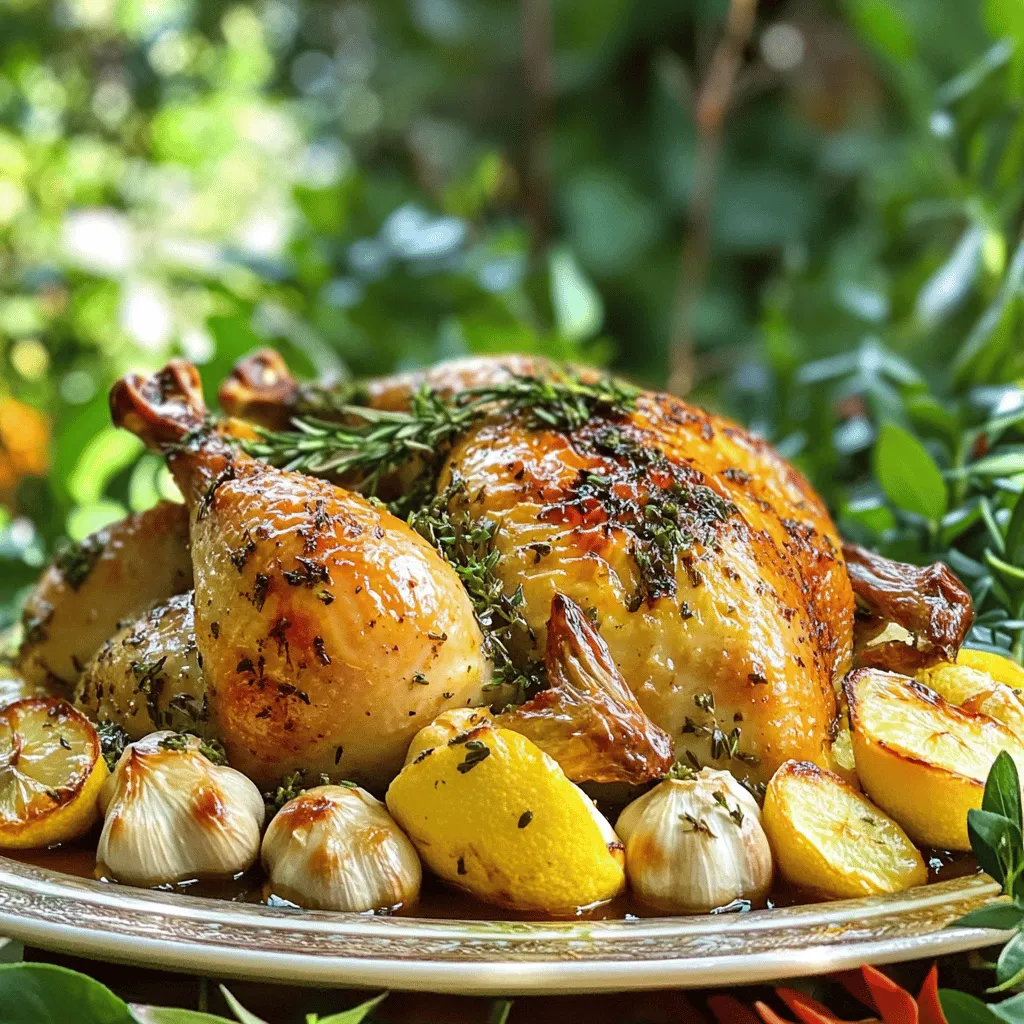

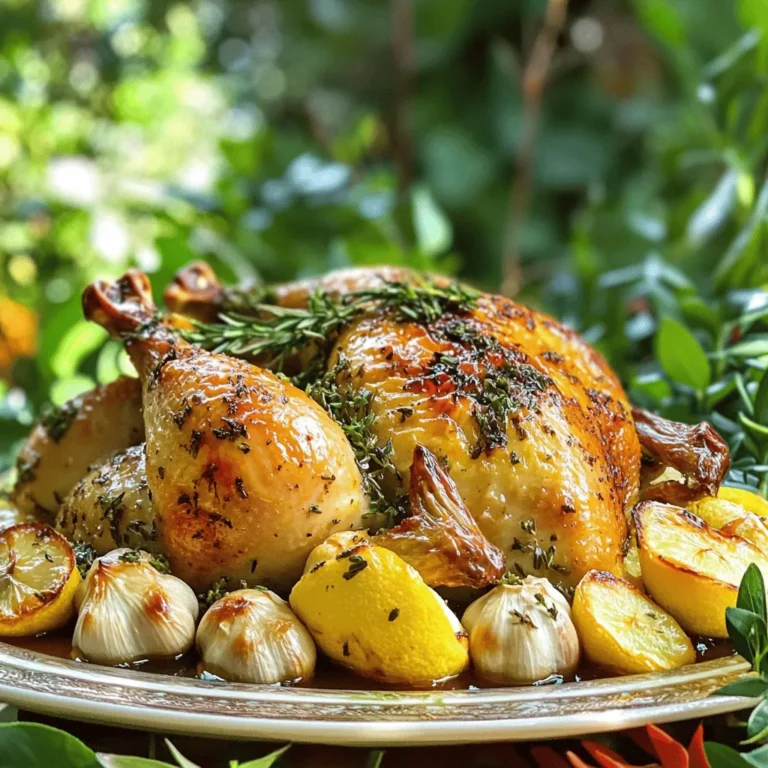
To make garlic herb roasted chicken, you need a few key items. Here’s what you’ll need: - 1 whole chicken (about 4-5 pounds) - 1 head of garlic, cloves peeled - 4 tablespoons olive oil - 2 tablespoons fresh rosemary, minced - 2 tablespoons fresh thyme, minced - 1 tablespoon fresh parsley, chopped - 1 lemon, quartered - Salt and black pepper to taste - 1 cup chicken broth Fresh herbs bring great flavor to your roasted chicken. I like to use: - Rosemary: It has a piney taste that pairs well with chicken. - Thyme: This herb adds a slight earthiness and depth. - Parsley: It brightens the dish with fresh notes. These herbs work together to create a delightful flavor. You can enhance your dish even more with a few extras. Consider adding: - Lemon zest: It gives a citrusy punch. - Paprika: This adds a smoky depth and color. - Red pepper flakes: For a touch of heat. Feel free to mix and match to suit your taste! For the full recipe, check out the detailed guide. First, you need to prep your chicken. Start by preheating your oven to 375°F (190°C). This helps cook the chicken evenly. Next, pat the whole chicken dry using paper towels. This step is key for crispy skin. Place the chicken in a large roasting pan. Gather your ingredients. You will need olive oil, fresh herbs, garlic, lemon, salt, and pepper. In a small bowl, mix the olive oil, minced rosemary, thyme, chopped parsley, salt, and pepper. Now comes the fun part: seasoning! Carefully loosen the skin of the chicken. Use your fingers to create pockets without tearing the skin. Rub the herb mixture generously under the skin. This helps infuse flavor into the meat. Next, stuff the cavity with the peeled garlic cloves and lemon quarters. The garlic will roast beautifully, adding flavor. It’s a simple step that makes a huge difference. Pour the chicken broth into the roasting pan. This will keep the chicken moist while it cooks. Place the chicken in the oven and roast for about 1.5 hours. Check the internal temperature using a meat thermometer. It should reach 165°F (74°C). To make it even juicier, baste the chicken with pan juices every 30 minutes. Once cooked, take the chicken out and let it rest for 10-15 minutes. This step is important for juicy meat. Finally, carve the chicken and serve it with roasted garlic and broth. For the full recipe, refer to the earlier section. Enjoy your flavorful garlic herb roasted chicken! To boost the taste of your garlic herb roasted chicken, use fresh herbs. Fresh rosemary, thyme, and parsley enhance the flavor. Mix these herbs with olive oil, salt, and pepper. This mix makes the chicken juicy and tasty. You can also add lemon for a fresh zing. Stuff the chicken with lemon and garlic. This adds depth to the flavor. For a richer taste, pour chicken broth in the pan. The broth keeps the meat moist as it cooks. Crispy skin is a must for great roasted chicken. Start by patting the chicken dry. Use paper towels to remove excess moisture. This helps the skin get crispy. Loosen the skin gently with your fingers. Rub the herb mixture under the skin. It gets flavor right where you want it. Roast the chicken at 375°F (190°C). Baste it every 30 minutes with the pan juices. This keeps the skin from drying out while still getting crispy. One common mistake is not drying the chicken. Wet skin leads to soggy results. Another mistake is overcooking. Use a meat thermometer to check the temperature. The chicken should reach 165°F (74°C). If you take it out too early, it will be undercooked. Also, don’t forget to let it rest after roasting. This step keeps the juices in the meat. Follow these tips, and you will enjoy a perfect garlic herb roasted chicken. For the full recipe, check out the recipe above. {{image_2}} You can switch up the herbs in this dish. Instead of rosemary and thyme, try using sage or oregano. Each herb brings a unique flavor. For a zesty kick, add basil or cilantro. Mix and match to find your favorite blend. Use what you have on hand for a fun twist. Want to add some extra flavor? Try adding spices like paprika or cumin. You can also use citrus zest for brightness. A splash of white wine or balsamic vinegar in the broth adds a new depth. Explore different flavors to make this dish your own. You don’t have to roast the chicken in the oven. An air fryer cooks it fast and makes the skin crispy. Just season the chicken as usual and set it in the fryer. For an easy method, use a slow cooker. It keeps the chicken juicy and tender. Just season the chicken, add broth, and let it cook low and slow. Check out the Full Recipe for more details! After your garlic herb roasted chicken cools, wrap it tightly in plastic wrap or foil. You can also place it in an airtight container. Store it in the fridge for up to three days. Make sure to keep any juices or broth in a separate jar. This keeps the chicken moist and tasty. To reheat the chicken, use a low oven heat. Set it to 325°F (160°C). Place the chicken in a baking dish and add a splash of chicken broth. Cover it with foil to keep moisture in. Heat for about 20-30 minutes or until warm. You want the chicken juicy, not dry. If you want to save leftovers for later, freezing works well. Remove the meat from the bones and cut it into pieces. Place the pieces in a freezer bag. Squeeze out all the air before sealing. Label the bag with the date. You can freeze the chicken for up to three months. When ready to eat, thaw it in the fridge overnight before reheating. For the full recipe, check out the Garlic Herb Roasted Chicken section. You should cook garlic herb roasted chicken for about 20 minutes per pound. For a 4 to 5-pound chicken, this means roughly 1.5 hours in the oven. Always check the internal temperature. It should reach 165°F (74°C) to be safe to eat. Use a meat thermometer to ensure perfect doneness. Yes, you can use dried herbs instead of fresh. Dried herbs are more potent, so use less. A good rule is to use one-third of the amount. For example, if the recipe calls for 2 tablespoons of fresh rosemary, use about 2 teaspoons of dried rosemary. The flavor will still be great! Roasted chicken pairs well with many sides. Here are some tasty options: - Roasted vegetables like carrots, potatoes, or Brussels sprouts - A fresh green salad with light dressing - Creamy mashed potatoes or garlic bread - Rice or quinoa for a healthy side These sides will complement your garlic herb roasted chicken nicely. For more ideas, check out the Full Recipe. In this blog post, we covered how to make garlic herb roasted chicken. You learned about the key ingredients, step-by-step instructions, and tips for success. We explored flavor variations and how to store your leftovers. Roasting chicken is easy and fun. With fresh herbs and careful seasoning, you'll impress your family. Always aim for crispy skin and avoid common mistakes. Enjoy a dish that brings warmth and flavor to your table!